

Hello, I’m Gloria Segovia, at AERCS Therapy Orangeville. Looking for EMDR therapy near me? We specialize in EMDR therapy for trauma and PTSD, a gold standard in trauma therapy, helping you heal and regain emotional balance in a safe, supportive environment.
EMDR Therapy Near Me: What You Need to Know
If you have been searching for “EMDR therapy near me,” you are likely looking for a way to heal from traumatic experiences. Eye Movement Desensitization and Reprocessing (EMDR) is a therapy that helps people work through trauma and regain control over their lives. Whether you’re struggling with anxiety, PTSD, or distress from difficult past events, EMDR therapy offers a structured approach that is both effective and widely accessible.
What is EMDR Therapy?
EMDR therapy is a type of psychotherapy that aims to help individuals process and resolve traumatic memories. Developed in the late 1980s, it combines eye movements or other forms of bilateral stimulation with recalling distressing memories. The goal is to reduce the emotional intensity linked to these memories, making them easier to manage.
Many people turn to EMDR because it can produce results in fewer sessions compared to other types of therapy. This makes it an appealing option for those seeking a faster path to emotional healing.
How Does EMDR Work?
EMDR therapy involves focusing on a traumatic memory while engaging in guided bilateral stimulation, such as moving your eyes back and forth. This process allows your brain to reprocess the trauma in a way that reduces its emotional impact. Each session is structured into phases, beginning with identifying the troubling memories and ending with a state of closure, where the individual feels less distress when thinking about those experiences.
EMDR is often recommended for individuals dealing with post-traumatic stress disorder (PTSD), but it can also help with anxiety, depression, and other issues that stem from past experiences. By working with a licensed EMDR therapist, people can safely navigate through challenging memories in a controlled environment.
Finding EMDR Therapy Near You.
When searching for “EMDR therapy near me,” it’s important to find a therapist who is trained and certified in EMDR. You can start by looking online or asking for recommendations from healthcare providers. AERCS Therapy offers EMDR services at two convenient locations: in Orangeville and Toronto, also serving the Greater Toronto Area (GTA).
It’s essential to select a therapist who makes you feel comfortable and understands your unique needs. Look for someone who has experience in handling cases similar to yours, ensuring you feel supported throughout the process.
What to Expect During an EMDR Session
A typical EMDR session begins with the therapist understanding your history and identifying the memories or issues you want to address. Once the focus points are identified, the therapist will guide you through different phases of treatment, each involving targeted eye movements or tapping to help reprocess these memories.
Sessions usually last between 60 to 90 minutes, and most individuals notice improvements within the first few sessions. You should feel increasingly empowered as the emotional weight of negative memories begins to fade, allowing you to lead a more fulfilling life.
Benefits of EMDR Therapy
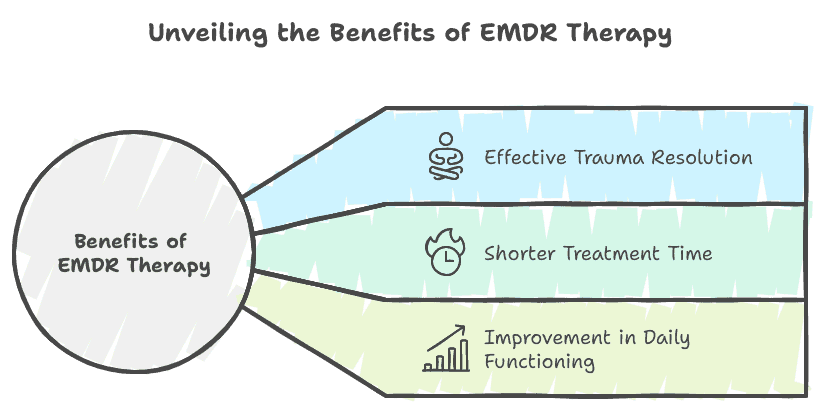
- Effective Trauma Resolution: EMDR therapy helps in reprocessing traumatic memories so that they lose their emotional intensity, making it easier to move forward.
- Shorter Treatment Time: Compared to traditional talk therapy, EMDR often requires fewer sessions to see results, providing a more efficient route to healing.
- Improvement in Daily Functioning: By reducing anxiety, stress, and intrusive memories, EMDR therapy allows individuals to better engage in their day-to-day activities, relationships, and personal growth.

Book an EMDR Therapy Appointment Today
If you’re ready to take the next step in your healing journey, consider reaching out for EMDR therapy at AERCS. With locations in Orangeville and Toronto, AERCS Therapy offers compassionate and effective EMDR services. Visit the AERCS EMDR Therapy page to learn more and book an appointment today.
FAQs About EMDR Therapy Near Me
What is the best way to find EMDR therapy near me?
The best way to find EMDR therapy near me is to start with an online search or ask for recommendations from healthcare professionals. You can also check with local therapy centers like AERCS Therapy, which offers services in Orangeville, Toronto, and the Greater Toronto Area.
How effective is EMDR therapy near me for treating PTSD?
EMDR therapy near me can be highly effective in treating PTSD, as it helps in reprocessing traumatic memories so that they become less emotionally intense. Many people report significant improvements in a short period of time with the right professional support.
Can EMDR therapy near me help with anxiety and depression?
Yes, EMDR therapy near me is not only effective for PTSD but also for anxiety, depression, and other issues related to past trauma. It helps individuals process difficult memories, which can reduce symptoms of anxiety and depression.
How many sessions are typically needed for EMDR therapy near me?
The number of sessions needed for EMDR therapy near me varies depending on the individual and the nature of their trauma. On average, people may start seeing improvements after just a few sessions, but more complex issues may require additional treatment.
Where can I find EMDR therapy near me in the Greater Toronto Area?
You can find EMDR therapy near me in the Greater Toronto Area at AERCS Therapy, which has locations in both Orangeville and Toronto. AERCS Therapy provides professional, compassionate EMDR services to help you begin your journey of healing.
Take the First Step Toward Healing Today
Discover the transformative power of EMDR therapy with Gloria, an experienced and compassionate psychotherapist dedicated to helping you process trauma, reduce anxiety, and reclaim your life.
Fill out the form below to connect directly with Gloria and start your journey toward peace and clarity. Your healing begins here. Don’t wait—complete the form now!
After completing the above form, feel free to tap here to download your free copy of my EMDR Therapy Guide!